I’ll be honest, starting any new beauty routine can feel overwhelming at first. When I first explored how to build a complete organic plant-based skincare and haircare routine, I wasn’t sure where to begin. I wanted steps that were simple to follow and easy to remember without confusing jargon.
Many people ask what makes an organic plant-based skincare and haircare system different from regular products. The big idea is that plant-based choices rely on ingredients from plants instead of synthetic chemicals. These plant-derived options often calm the skin while feeding it nutrients it needs. The same goes for natural haircare that aims to improve strength and shine without stripping oils or harming your scalp.
By the end of this article, I’ll walk you through each step in a way that feels like a conversation. You won’t need to guess what order to follow or why each step matters.
Before we start with the actual steps, let’s talk about why this approach works so well.
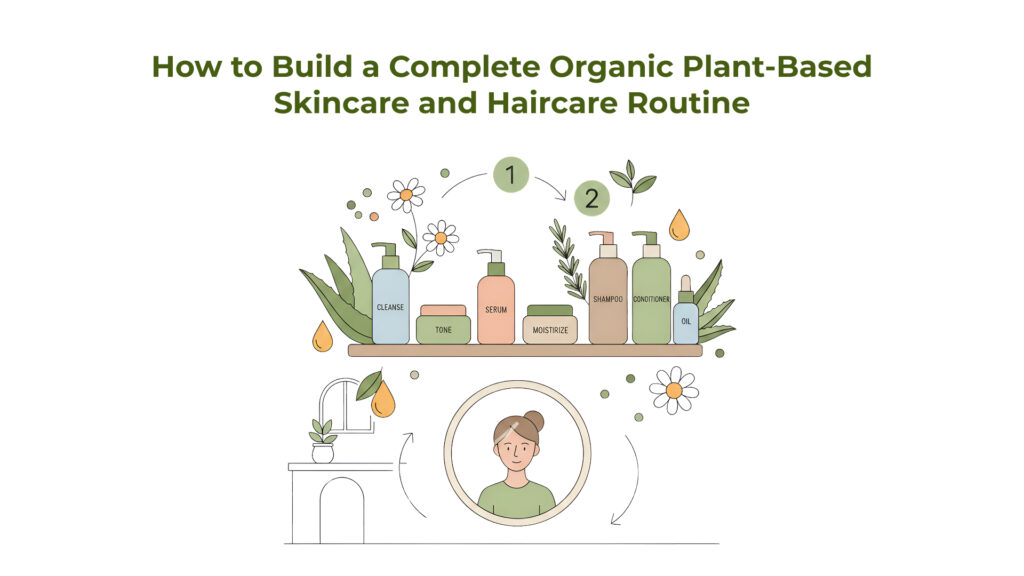
Why a Plant-Based Routine Works Better for Skin and Hair
You might think all beauty products work the same, but plant-based choices act differently on your body. These products tend to be gentle on your skin and scalp because they skip harsh chemicals that often irritate or dry you out.
Plant-derived ingredients contain vitamins and plant nutrients that support long-term results, like better moisture retention and balanced texture.
Choosing plant-based care also helps the environment because many of these ingredients are renewable and biodegradable.
Whether you’re new to this idea or you’ve tried plant-based options before, understanding the benefits helps you stick with the routine.
Step 1: Understand Your Skin and Hair Type
Before you pick any products, you need to know what your skin and hair need. Every person’s skin has its own traits. Some skin feels dry or flaky, while others stay oily or easily irritated.
Hair types vary too. Straight hair behaves differently from curly hair. Fine hair needs different care than thick or color-treated hair.
Knowing these factors helps you choose plant-based products that suit your unique needs. The better fit you choose, the more effective each step will feel.
Step 2: Morning Skincare Routine
Starting your day with the right steps makes a big difference. First, use a gentle cleanser made from plant-derived ingredients so your skin feels fresh but not stripped.
After cleansing, apply a toner or hydrating mist. This step revives your skin’s moisture and preps it for other products.
Next, use a lightweight moisturizer or serum designed for daytime. These formulas help lock in hydration without feeling heavy.
Finally, apply a natural or mineral sunscreen to protect your skin from UV rays. This last step is essential because sun exposure can cause premature aging even if you use the best products.
Order matters here because each product builds on the last. Clean skin absorbs nutrients better, and sunscreen protects benefits you’ve already added.
Step 3: Night Skincare Routine
Your skin repairs itself while you sleep, so your night routine should support that process. Start with a cleanser that removes makeup, sunscreen, and dirt accumulated from the day.
Follow with a treatment serum that focuses on hydration or antioxidants. These plant-based serums help repair damage while you rest.
Then apply a richer moisturizer or night cream to seal in nourishment. Some people also like to add a plant oil at this stage to help strengthen the skin barrier and lock in moisture.
This routine supports your skin’s overnight repair work and leaves you ready for the next day.
Step 4: Haircare Routine
Your organic plant-based haircare routine should begin with a gentle shampoo and conditioner made from natural, plant-based surfactants. Harsh detergents can strip oils and leave hair dry.
After washing, use a weekly plant-based treatment like a nourishing hair mask or oil. This step adds moisture and improves strength.
Leave-in serums or leave-in conditioners help protect strands and make styling easier without aggressive chemicals.
You can also adapt your styling approach to avoid heat tools or products that contain sulfates or silicones, which can harm your hair over time.
Step 5: Multi-Tasking Ingredients and Products
Once you understand your routine, you can look for products that serve more than one purpose. Some plant oils, for example, work well on both your skin and hair. They can hydrate dry patches and help control frizz at the same time.
Hydrating mists can freshen your face midday and soothe your scalp.
Multi-use serums and balms reduce the number of products you need, making your daily routine faster and more efficient without losing effectiveness.
Step 6: Tips for Maximizing Results
Consistency matters most when you’re building a routine. Use your products every day, and give them time to show results. Plant-based ingredients often work more gradually than strong synthetics, but they build real, lasting changes.
Layer products properly so your skin and hair absorb them effectively. Start with light textures and end with heavier formulas.
Also, avoid other harmful chemicals outside your skincare and haircare products. Things like harsh detergents in laundry products or strong styling sprays can undo benefits from your plant-based routine.
Finally, adjust your regimen based on seasons. Your skin or hair might need more moisture in winter and lighter products in summer.
Common Mistakes to Avoid
A few missteps can slow down your progress. Avoid over-exfoliating your skin, because that can damage your natural barrier.
Skipping scalp care limits your hair’s ability to grow strong and healthy.
Don’t mix too many active products at once. It can overwhelm your skin or scalp and lead to irritation.
Finally, always read labels carefully. Not all products labeled “natural” are truly plant-based or organic.
How a Complete Plant-Based Routine Supports Long-Term Health
Over time, an organic plant-based skincare and haircare routine helps you build stronger, healthier skin and hair. Gentle formulas help reduce irritation and support your body’s natural processes. Plant nutrients give long-term benefits, like improved moisture and resilience. Choosing products that respect both your body and the planet also makes your daily self-care feel more intentional.
FAQ
What makes plant-based skincare better for sensitive skin?
Plant-based skincare uses gentle, natural ingredients that are less likely to cause irritation compared with synthetic chemicals.
How often should I wash my hair with plant-based products?
It depends on your hair type, but most people benefit from gentle washing two to three times per week with plant-derived formulas.
Can organic plant-based skincare improve dryness?
Yes, ingredients like jojoba, shea butter, and aloe deeply hydrate and help retain moisture.
Do I need different products for day and night skincare?
Yes, day products focus on protection and light hydration, while night formulas support repair and deeper nourishment.
Are plant-based hair treatments suitable for all hair types?
Yes, plant-based hair treatments can suit curly, straight, fine, and treated hair when chosen for your specific needs.
Conclusion
Building a complete organic plant-based skincare and haircare routine doesn’t have to be confusing. With clear steps, you can care for your skin and hair in a way that feels natural and supportive. This kind of routine can improve hydration, reduce irritation, and help you feel confident in your daily self-care. Every step benefits your health and aligns with mindful choices that respect your body and the environment.